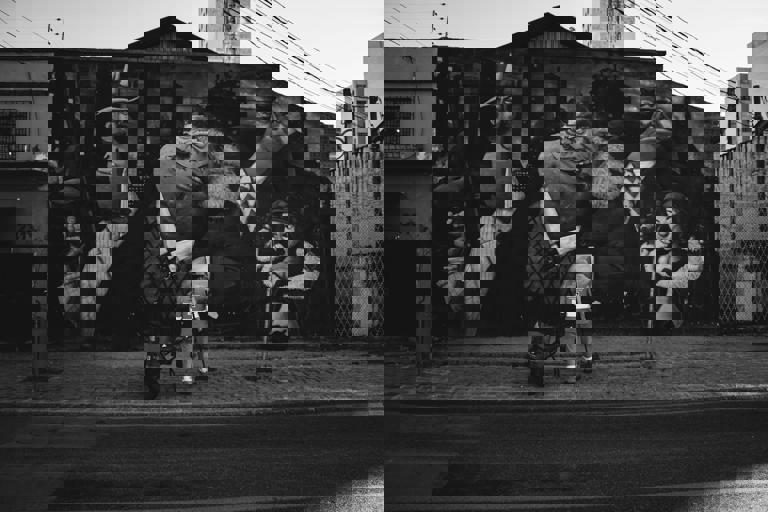
In cities across Canada, vibrant transformations are taking place where few would previously have expected it: in the alleyways and side streets that once slipped into obscurity. Fueled by a growing movement of urban artists, these formerly drab passages are being brought to life through expansive, colorful murals. The creative outpouring is not merely about beautification; it represents a broader initiative to make urban spaces more welcoming, safe, and culturally significant for residents and visitors alike.
Local governments and community organizations have consistently embraced this surge in mural art, recognizing its capacity to address urban blight. Street art festivals, such as the celebrated MURAL Festival in Montreal, have inspired similar projects nationwide. According to the Canadian Urban Institute, public art installations, including murals, have increased by 24% over the past five years, indicating a widespread shift in approach toward city planning and revitalization.
Artists committing their talents to these projects bring diverse backgrounds and styles, reflecting the intricate cultural tapestry of Canada. Renowned muralist Ola Volo, for example, infuses her Eastern European heritage with contemporary themes, creating pieces rich in storytelling. “These murals are like open-air museums,” noted Volo in a recent interview. “They invite everyone to engage with the city’s stories, both old and new, outside the formality of a gallery setting.”
Beyond their aesthetic value, these murals play an instrumental role in fostering community pride and identity. Neighborhood residents frequently participate in the mural process, whether through assisting with painting, contributing ideas, or attending unveiling events. “It’s empowering,” said local volunteer Maria Fernandes. “We feel more connected to where we live, especially when we see reflections of our experiences and histories painted on our walls.”
Research supports the positive impact of mural projects on urban neighborhoods. Studies conducted by the University of Toronto found that alleys transformed by murals saw a 19% reduction in reported graffiti and vandalism incidents. The same study noted that local businesses often experienced an uptick in foot traffic, attributing it, in part, to increased visitor interest in these vibrant art corridors.
Tourism officials have also taken notice, promoting mural-adorned locations as must-see destinations. Guided walking tours dedicated to urban art now attract locals and tourists alike, shining a spotlight on hidden gems tucked away from main thoroughfares. In cities like Toronto and Calgary, these routes have quickly become popular weekend activities, with some tours booking out weeks in advance, according to Tourism Calgary.
The economic ripple effect extends to small business owners as well. Coffee shops, boutiques, and pop-up galleries located near mural clusters report increased patronage. “People are coming for the murals, but they end up discovering local shops they’d never noticed before,” said Saskia Lee, owner of an art café. Such commercial boosts contribute to neighborhood regeneration and encourage further investment in public art projects.
Environmental advocates highlight another benefit: murals can raise awareness about sustainability and local ecosystems. Many contemporary murals incorporate themes addressing climate change, biodiversity, and Indigenous land stewardship. “Art in public spaces is a powerful platform for environmental education,” explained ecologist Dr. Rohan Singh. Several artists now collaborate with conservation groups to blend visuals with meaningful messages about the environment.
Of course, transforming urban alleyways into public art galleries is not without challenges. Securing permits, funding, and wall space can be a complex process, occasionally met with resistance from property owners concerned about maintenance or appropriateness. However, collaborative planning and municipal support are proving to be effective in overcoming logistical and bureaucratic barriers, ensuring both artistic freedom and urban harmony.
The ongoing evolution of these public art initiatives also opens up conversations about the role of art in social justice and representation. Murals celebrating the diversity of Canada’s urban neighborhoods serve not only as visual highlights but also as important reminders of the need for inclusivity. Projects led by Indigenous and newcomer artists, for instance, challenge preconceived narratives and foster understanding across communities.
Looking forward, urban mural projects are anticipated to grow even further, as both public and private stakeholders increasingly recognize their transformative potential. Plans for expansive mural festivals, partnerships with schools, and digital archives of community art are already underway in several Canadian cities. This evolution suggests murals are here to stay, not just as temporary enhancements, but as permanent fixtures on the cultural landscape of modern urban life.