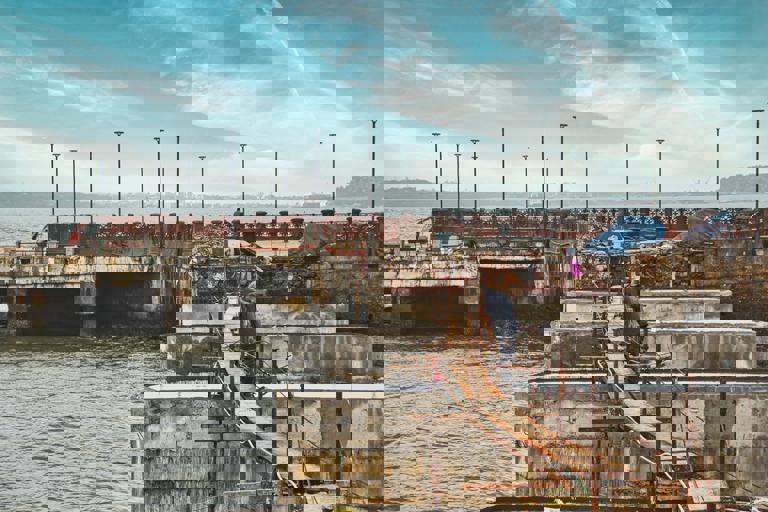
The highly anticipated opening of the new bridge, a major infrastructure project slated to transform regional transportation, has been abruptly delayed due to a combination of unexpected supply shortages and ongoing labor disputes. Local authorities confirmed that the project, initially expected to be completed this summer, will not see traffic until well into the fall, raising concerns among daily commuters and businesses reliant on efficient transit routes.
City officials responsible for overseeing the project cited disruptions in the global supply chain as a key factor contributing to the delay. Critical building materials, such as specially fabricated steel girders and concrete components, have been slow to arrive. The city’s public works director, Stephen MacIntyre, stated, “We built our timeline around reasonable estimates, but the unpredictable nature of today’s supply environment forced us to adjust.”
Further compounding the delay, a series of labor disputes involving construction crews emerged earlier this spring. Trade unions representing electricians and crane operators entered into negotiations over wage increases and working conditions. The resulting work stoppages, which lasted several weeks, halted construction at a crucial phase and cost the project valuable time.
Local commuters are feeling the tangible effects of the postponed bridge opening. Routes and detours implemented during construction have prolonged daily travel times, with traffic congestion worsening during peak hours. “It’s added at least 30 minutes to my commute,” said Angela Liu, a downtown employee who depends on public transit connections the bridge was supposed to streamline.
Businesses on both sides of the affected waterway are also experiencing the impact of the delay. Many local retailers and logistics firms planned operations around the bridge’s anticipated opening, expecting faster delivery times and increased customer access. With the schedule now pushed back, several business owners expressed concern about lost revenue and the difficulty of adapting to shifting timelines.
Economic experts note that infrastructure delays such as this can ripple through the broader regional economy. “Transportation projects are not just about moving people—they’re about moving goods and supporting economic vitality,” explained Dr. Corey Sanderson, a transportation economist. He warned that prolonged disruption could reduce competitiveness and increase costs for local industries.
Officials from the lead construction firm, WestArc Engineering, addressed public frustrations by emphasizing their commitment to quality and safety. “While we understand the inconvenience, our utmost priority remains delivering a bridge built to the highest standards,” said project manager Lenora Patel. She assured residents that the company is working overtime to resolve outstanding material and labor concerns.
To mitigate further delays, the city has pledged to enhance coordination with suppliers and contractors. New agreements have been forged to ensure future shipments of material arrive on a priority basis. Additionally, labor negotiations resulted in a new three-year contract, which all parties hope will prevent work stoppages for the remainder of the project.
Government representatives have also indicated plans to provide financial support to businesses most affected by the disruption. Small businesses near the construction zone are eligible for grants and temporary tax relief measures designed to offset losses incurred due to prolonged road closures and reduced foot traffic.
The delay has sparked debate among local advocacy groups about the need for greater project oversight and contingency planning. “This situation shows why risk management is vital when public funds and daily livelihoods are involved,” said Marie Dubois, spokesperson for the Regional Commuter Coalition. Her group is calling for a comprehensive review of how infrastructure projects are managed in the future.
Looking ahead, officials hope to capitalize on lessons learned from this situation. Plans are underway to enhance supply chain resilience, including diversifying sources for key materials and developing rapid response teams to handle labor disputes more efficiently. The city council has also proposed the creation of a new oversight committee dedicated to major transportation projects.
In the meantime, transportation authorities continue to advise the public to use alternative routes and modes of travel where possible. Updates on progress are being released weekly, with assurances that all efforts are being made to minimize ongoing inconvenience. The bridge project remains a top municipal priority, and city leaders have reiterated their commitment to a safe and timely completion.
Despite the setbacks, there is optimism that once finished, the bridge will still significantly improve mobility in the region. The project is designed to support higher traffic volumes, facilitate public transport expansion, and enhance bicycle and pedestrian access. When the bridge finally opens, it is expected to become not just a vital conduit but also a symbol of perseverance for the affected community.